


🔥 Buy 1 Get 1 Free 🌿 Powerful Garden Weed Control Solution
🔥 Buy 1 Get 1 Free 🌿 Powerful Garden Weed Control Solution


Make routine yard care easier with a targeted weed-control spray designed to treat stubborn unwanted growth, driveway cracks and patio weeds exactly where they appear — helping keep outdoor problem areas cleaner, tidier and easier to maintain.
BUNDLE & SAVE
Couldn't load pickup availability

🔥 Buy 1 Get 1 Free 🌿 Powerful Garden Weed Control Solution


You Cleared Them Last Weekend. So Why Are They Back Again?
You pull them. You trim them. You clean the cracks. A few days later, the driveway, patio or garden edge starts looking messy all over again. The problem may not be how hard you're working — it may be how you're treating the weed.

Removing What You See Isn't Always the Same as Solving the Problem.
Many yard routines focus on the visible part of the weed. That's why the area can look clean today — then feel like you're starting over again later.
You Remove the Visible Growth
Pulling, cutting or scraping gives you that satisfying “clean” look immediately.
The Problem Isn't Always Finished
Persistent weeds can continue growing from remaining plant material or return from surrounding growth and seeds.
You're Back Outside Again
And suddenly the same cracks, borders and pathways need attention all over again.

It's the Feeling That Your Yard Never Stays Finished.
Maybe it's the driveway you cleaned last weekend. The patio that already looks untidy again. Or the garden edge you keep fixing before guests come over.
You already spent time pulling weeds — you don't want to repeat it every weekend.
Cracks and edges are small areas, but they're often the first thing your eye notices.
Bending, digging and chasing individual weeds isn't how most people want to spend their free time.
If the problem keeps returning, “cleaning it up again” becomes the routine.
It's to stop treating weed removal like a weekly chore.
Spray the Weed. Not Your Entire Weekend.
This targeted weed-control spray is designed to make problem-area treatment simpler: aim at unwanted growth, coat the plant as directed, and let the formula stay in contact with the area you're trying to control.
Focus treatment where weeds are growing instead of unnecessarily treating the entire yard.
No complicated tools or digging routine — simply apply according to the product directions.
Instead of simply trimming the visible top growth, the spray is designed to stay in contact with the unwanted plant.

From Trigger Pull to Plant Contact: A Simple 4-Step Process.
A targeted spray only works well when the formula actually reaches and stays on the unwanted vegetation. That's why coverage matters.
1. Target
Aim directly at the unwanted plant.
2. Coat
Apply enough product for consistent surface contact.
3. Contact
The weed-control system remains on the targeted growth.
4. Maintain
Recheck the area and follow label directions if needed.

The Problem With Quick Cosmetic Fixes.
Not every weed-removal method is designed to do the same job. Some make the area look better immediately — but require constant manual repetition.
| Method | Targeted Spray Routine | Common Quick Fix |
|---|---|---|
| Pulling | ✓ Minimal bending or digging | ✕ Time-consuming when weeds are widespread |
| Trimming | ✓ Treats unwanted growth directly | ✕ Mainly removes what is visible above ground |
| Patio cracks | ✓ Spray can reach awkward problem spots | ✕ Scraping every crack becomes repetitive |
| Application | ✓ Controlled spot treatment | ✕ Manual methods require weed-by-weed work |
| Routine | ✓ Spray, monitor and maintain | ✕ Pull, clean, regrow, repeat |

Every Part of the Formula Has a Job.
Provides the primary action against the unwanted vegetation being treated.
Helps liquid distribute across plant surfaces instead of immediately beading up or running away.
Keeps the formula suitable for convenient, controlled spray application.
Replace this section with the exact ingredient name, concentration and verified function supplied by your manufacturer.
What a Typical Visible Progress Cycle Can Look Like.
Most shoppers don't just want to know what a formula does — they want to know what the cleanup process may look like over time. This section helps set realistic expectations while still showing visible progress.

Wild Growth Is Still Fully Visible
At the beginning, problem spots may still look overgrown and messy. This is the stage most homeowners are used to seeing again and again after pulling or trimming weeds by hand.
Weeds Begin Looking Weaker and Less Upright
As the treatment remains in contact with the unwanted growth, the area may begin to look less vigorous. This is often the stage where users feel the routine is finally moving forward.
The Area Looks Cleaner and More Under Control
With continued progress, the treated spot can appear noticeably tidier, making driveways, patio gaps and borders look far more maintained than they did at the start of the week.
The Small Problem Areas That Make Your Whole Yard Look Messy.

Not a “Perfect Lawn.” Just a Yard That Looks Cared For Again.
The real payoff is simple: cleaner lines, fewer distracting weeds and less time staring at the same unfinished problem.


Why Homeowners Switch From Pulling to Targeted Spraying.
The most useful feedback is about everyday convenience: awkward cracks are easier to reach, spot treatment takes less effort, and routine yard care feels more manageable.

“I was tired of pulling weeds from the same driveway cracks every weekend. Being able to target those small problem areas made the routine much easier than constantly scraping them by hand.”

“The weeds between my patio pavers were the most annoying part of yard cleanup. I like being able to focus on the gaps instead of digging through every joint one by one.”

“What I like most is how simple the spray bottle is to use. I can focus on weeds along the fence and yard edges without turning a few problem spots into an afternoon project.”

More Spray Isn't the Goal. Better Targeting Is.
Target. Spray. Let the Formula Do Its Job.
Find the Problem Area
Identify the unwanted weeds you want to treat and check the surrounding area for desirable plants.
Spray Directly
Apply the product to the target vegetation according to the directions on the bottle.
Monitor the Area
Allow appropriate contact time and follow the label if additional maintenance is needed.
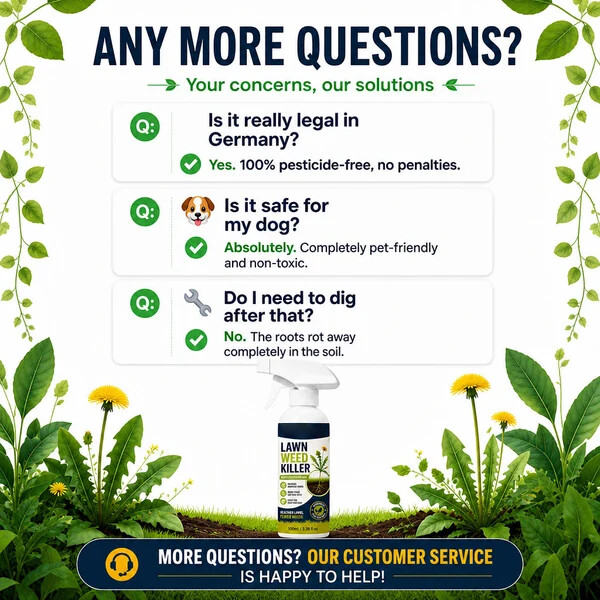
Questions People Usually Ask Before Switching Their Routine.
What makes this different from simply pulling weeds?
Where can I use the spray?
Will I see results immediately?
Does one application permanently prevent every weed from returning?
Can I spray it directly on my lawn?
Can I use it near flowers and shrubs?
What is the best weather for application?
Is it safe around children or pets?
Your Yard Doesn't Need More Work. It Needs a Better Routine.
Stop making the same weeds part of your weekend schedule. Target the areas that keep bothering you, simplify the maintenance, and get back to enjoying the outdoor space you've already worked hard to create.